
Table of Contents
Key Takeaways
Dental implants deliver long-term durability with implant posts lasting 20 to 30 years or longer and success rates above 95 percent when placed and maintained properly.
Implant components age at different rates since crowns last about 10 to 15 years and abutments last 10 to 20 years, while the implant post often remains permanent.
Bone integration drives implant longevity because osseointegration stabilizes the implant, prevents bone loss, and supports full chewing function without relying on nearby teeth.
Daily care and health habits shape outcomes as strong oral hygiene, healthy gums, managed medical conditions, and no tobacco use protect implants from infection and bone loss.
Implants outperform bridges and dentures over time by lasting longer, preserving jawbone, staying fixed in place, and reducing the need for repeated replacements.
Dental implants are often described as a long-term or even permanent solution for missing teeth. But many patients still ask an important and valid question: how long do dental implants really last?
The short answer is that dental implants can last decades, and in many cases, a lifetime. The long answer depends on several factors including oral hygiene, bone health, lifestyle habits, and ongoing dental care.
This guide explains the true lifespan of dental implants, what affects their durability, how they compare to other tooth replacement options, and what patients should realistically expect before choosing implant treatment.
Understanding Dental Implants and How They Work
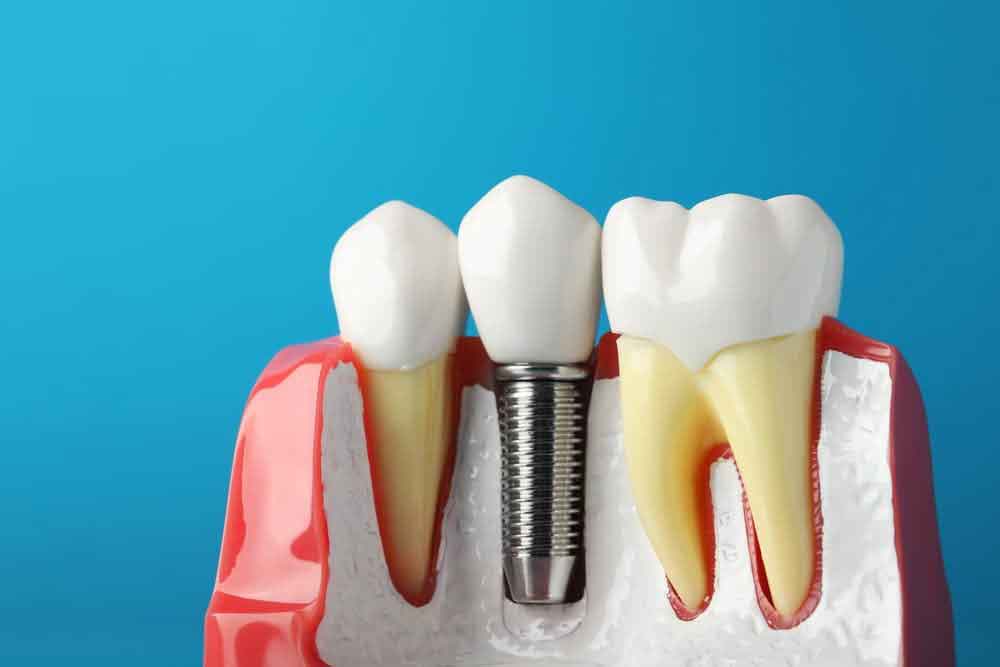
A dental implant is not just a replacement tooth. It is a three-part restorative system designed to mimic the structure of a natural tooth.
The three main components include:
-
Implant post – A titanium screw placed into the jawbone
-
Abutment – A connector that links the implant to the crown
-
Dental crown – The visible tooth that restores function and appearance
The implant post integrates with the jawbone through a biological process called osseointegration, which creates a stable and durable foundation. This integration is the primary reason dental implants last significantly longer than bridges or dentures.
Average Lifespan of Dental Implants
How long do dental implants last?
-
Implant post: 20 to 30 years or longer
-
Abutment: 10 to 20 years
-
Crown: 10 to 15 years on average
In many patients, the implant post itself never needs replacement. The crown may need to be replaced over time due to normal wear, especially in patients who grind their teeth or have heavy bite forces.
Clinical studies consistently show dental implant success rates above 95 percent when placed correctly and maintained properly.
What Makes Dental Implants Last So Long?
Dental implants outperform other tooth replacement options because they:
-
Fuse directly with the jawbone
-
Prevent bone loss
-
Do not rely on neighboring teeth for support
-
Restore full chewing function
-
Resist decay (implants cannot get cavities)
Patients seeking long-term tooth replacement often choose implants because they provide strength, stability, and longevity that closely match natural teeth.
Factors That Affect How Long Dental Implants Last
While implants are designed to last many years, their lifespan is not automatic. Several factors play a critical role in long-term success.
Oral Hygiene Habits
Good oral hygiene is one of the most important factors in implant longevity.
Daily care should include:
-
Brushing twice a day
-
Flossing around the implant
-
Using interdental brushes or water flossers
-
Regular professional cleanings
Although implants cannot decay, the surrounding gums and bone can become infected, leading to a condition known as peri-implantitis.
Gum Health and Bone Quality
Healthy gums and adequate jawbone density are essential for implant stability.
Patients with untreated gum disease or significant bone loss may experience implant complications if these issues are not addressed first. This is why thorough evaluation and treatment planning are critical before implant placement.
Smoking and Tobacco Use
Smoking is one of the strongest risk factors for implant failure.
Tobacco use:
-
Reduces blood flow to gums
-
Slows healing
-
Increases infection risk
-
Weakens bone integration
Patients who quit smoking before and after implant treatment significantly improve their long-term outcomes.
Teeth Grinding and Bite Force
Excessive bite pressure can place stress on implant components.
Risk factors include:
-
Bruxism (teeth grinding)
-
Jaw clenching
-
Misaligned bite
In such cases, dentists often recommend custom night guards to protect implants and crowns from excessive wear.
Overall Health Conditions
Certain medical conditions can influence implant longevity, including:
-
Uncontrolled diabetes
-
Autoimmune disorders
-
Osteoporosis
-
Conditions affecting bone healing
When these conditions are well managed, implant success rates remain high.

Need Expert Dental Care?
How Dental Implants Compare to Other Tooth Replacement Options
Dental Implants vs Dental Bridges
Dental bridges typically last 7 to 10 years and rely on adjacent teeth for support. These neighboring teeth must be altered, which can weaken them over time.
Implants:
-
Do not damage surrounding teeth
-
Prevent bone loss
-
Last significantly longer
Dental Implants vs Dentures
Dentures often require replacement or relining every 5 to 7 years and can shift or loosen over time.
Implants:
-
Stay fixed in place
-
Restore stronger chewing ability
-
Feel more natural
-
Improve speech and confidence
For patients seeking long-term value, implants are often the most cost-effective option over time.
What Happens If a Dental Implant Fails?
Dental implant failure is uncommon, but it can happen.
Early implant failure
Occurs within the first few months and is usually related to:
-
Poor bone integration
-
Infection
-
Excessive movement during healing
Late implant failure
Can occur years later due to:
-
Gum disease around the implant
-
Bone loss
-
Mechanical wear
The good news is that failed implants can often be replaced successfully after proper treatment and healing.

Signs a Dental Implant May Need Attention
Patients should contact their dentist if they notice:
-
Gum swelling or bleeding around the implant
-
Pain or discomfort
-
Looseness
-
Difficulty chewing
-
Persistent bad taste or odor
Early intervention helps protect the implant and surrounding tissues.
How Long Does the Dental Implant Process Take?
The implant process is not instant, but it is carefully structured to support long-term success.
Typical timeline:
-
Consultation and imaging
-
Implant placement surgery
-
Healing and osseointegration (3–6 months)
-
Abutment placement
-
Final crown placement
While the process requires patience, the result is a durable, long-lasting solution.
Are Dental Implants Worth It Long Term?
Many patients initially focus on the upfront cost of implants. However, when viewed over decades, implants often cost less than repeated bridge or denture replacements.
Benefits include:
-
Long lifespan
-
Improved oral health
-
Preserved jawbone
-
Natural appearance
-
High patient satisfaction
Patients in areas like West Houston and the Galleria frequently choose implants for both functional and lifestyle reasons.

Ready for Your Perfect Smile?
Experience professional dental care with a team you can trust. Schedule your appointment today!
How to Make Dental Implants Last a Lifetime
Long-term implant success depends on consistency and care.
Best practices include:
-
Maintain excellent oral hygiene
-
Schedule routine dental checkups
-
Avoid smoking
-
Wear protective appliances if recommended
-
Address dental issues early
Implants are an investment, and proper care protects that investment.
Frequently Asked Questions
Dental implants themselves do not weaken because they are made from medical-grade titanium. However, surrounding gum and bone health plays a key role in long-term stability. With proper oral hygiene and regular dental visits, implants remain strong for many years.
Yes. Dental implants typically last much longer than dental crowns or bridges because they integrate directly with the jawbone and do not rely on neighboring teeth for support. While crowns and bridges may need replacement every 7–15 years, implant posts often last decades.
The most common cause of implant failure is peri-implantitis, a gum infection around the implant caused by plaque buildup and poor oral hygiene. Smoking and untreated gum disease also significantly increase the risk of failure.
Yes. Frequent consumption of hard foods, sugary snacks, and acidic beverages can increase wear on implant crowns and affect gum health. A balanced diet supports bone strength and helps maintain healthy tissues around the implant.
Dental implants should be checked during routine dental visits, usually every six months. These visits allow your dentist to monitor gum health, bone support, and bite alignment. Patients in the Galleria and nearby areas often schedule implant checkups as part of their regular preventive care.
Final Thoughts
Dental implants are one of the most reliable and long-lasting solutions for missing teeth. When placed correctly and cared for properly, they can provide decades of function, comfort, and confidence.
Understanding the factors that influence implant lifespan empowers patients to make informed decisions and protect their oral health long term.
For patients considering implants, a personalized evaluation helps determine candidacy and sets realistic expectations for outcomes and longevity.


